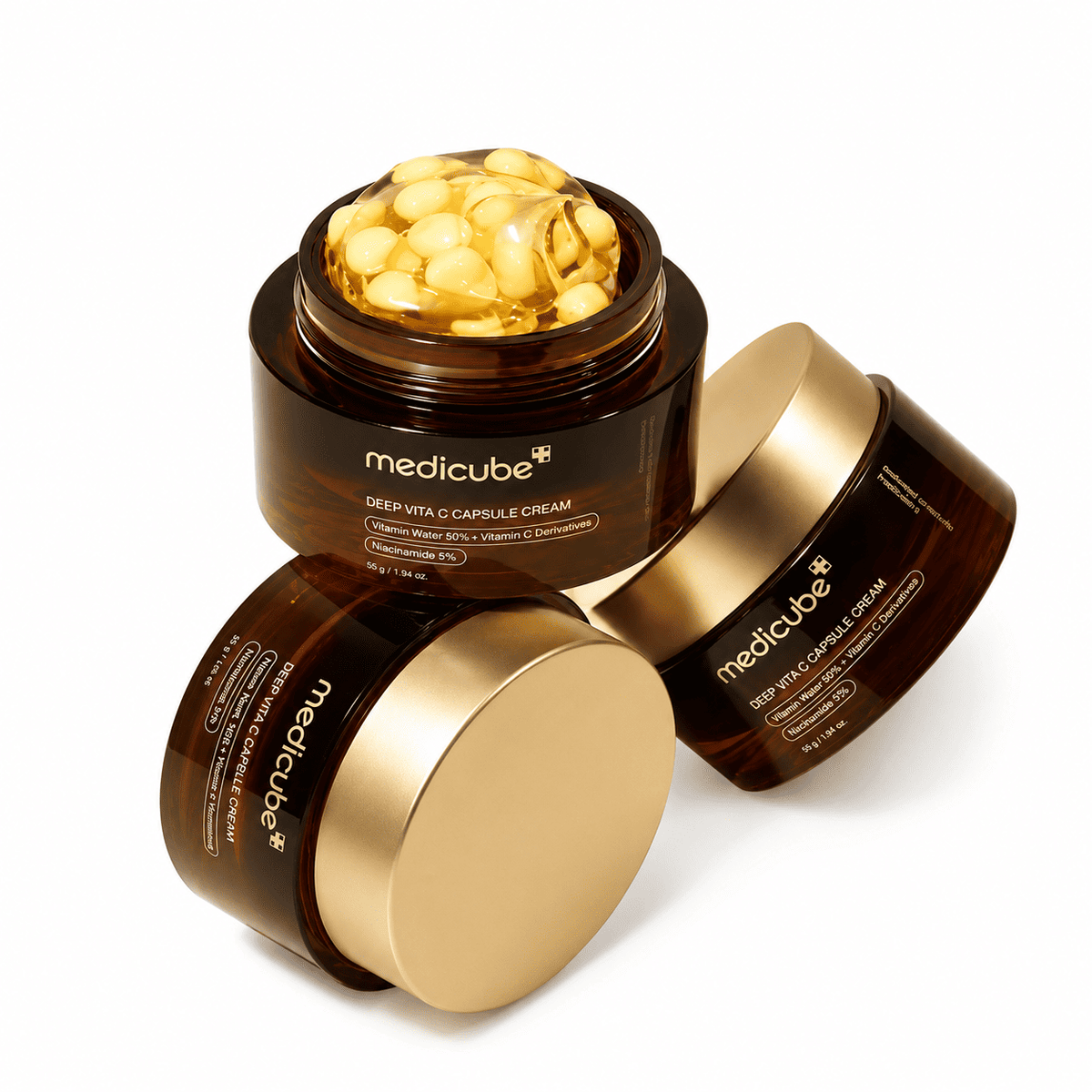

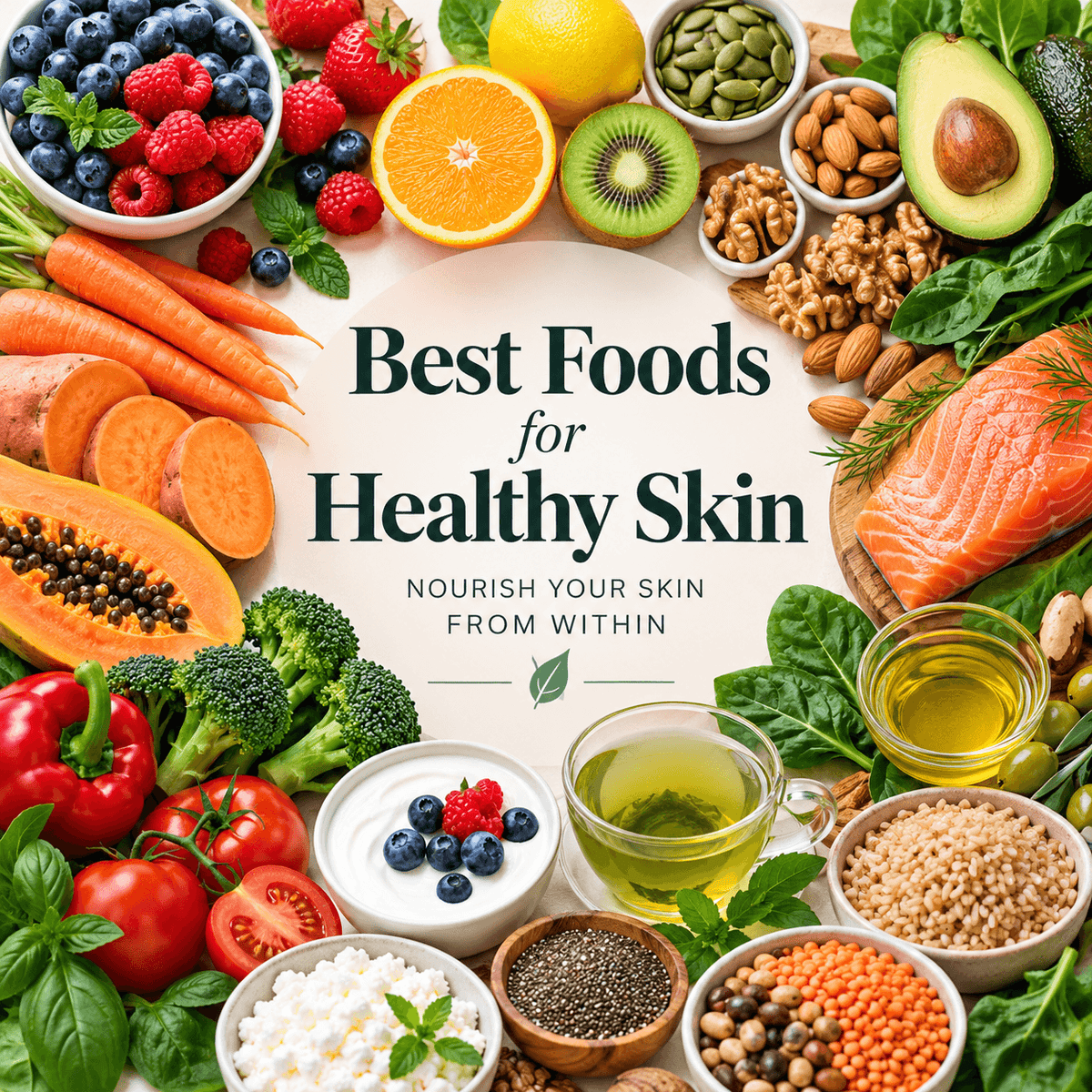
A good skincare routine is essential for maintaining healthy skin, but what you eat matters too. While cleansers, moisturizers, serums, and sunscreen help care for your skin from the outside, a balanced diet provides the nutrients your skin needs to function properly from within.
Your skin is the body's largest organ, and like every other organ, it depends on proper nutrition to stay healthy. Vitamins, minerals, antioxidants, healthy fats, and protein all contribute to skin barrier function, collagen production, tissue repair, and protection against oxidative stress. Let's explore some of the best foods to include in your diet to support healthy, radiant-looking skin.1. Berries – Antioxidant Protection
Blueberries, strawberries, raspberries, and blackberries are rich in antioxidants, including vitamin C and polyphenols.
Skin benefits:
- Vitamin C supports collagen production, helping maintain skin firmness and structure.
- Antioxidants help neutralize free radicals that contribute to oxidative stress.
- Their anti-inflammatory compounds support overall skin health.
Berries are an excellent addition to breakfast, yogurt, oatmeal, or smoothies.
2. Citrus Fruits, Kiwi, and Papaya – Vitamin C for Collagen
Oranges, grapefruits, lemons, kiwis, and papayas are excellent sources of vitamin C, an essential nutrient for collagen synthesis.
Skin benefits:
- Supports normal collagen production.
- Helps protect cells against oxidative damage.
- Contributes to wound healing and tissue repair.
Vitamin C is particularly important because the body cannot produce it on its own.
3. Nuts and Seeds – Vitamin E, Zinc, and Healthy Fats
Almonds, walnuts, pumpkin seeds, sunflower seeds, chia seeds, and flaxseeds provide valuable nutrients for healthy skin.
Skin benefits:
- Vitamin E acts as an antioxidant and helps protect cell membranes.
- Zinc supports wound healing, normal immune function, and skin repair.
- Omega-3 fatty acids, particularly in walnuts, chia seeds, and flaxseeds, contribute to overall skin health.
- Healthy fats help maintain the structure of cell membranes.
Pumpkin seeds are particularly rich in zinc, while almonds and sunflower seeds are excellent sources of vitamin E.
4. Sweet Potatoes, Carrots, and Pumpkin – Beta-Carotene
Orange vegetables such as carrots, sweet potatoes, and pumpkin contain beta-carotene, a plant pigment that the body can convert into vitamin A.
Skin benefits:
- Vitamin A supports normal skin cell growth and differentiation.
- Contributes to the maintenance of healthy skin and epithelial tissues.
- Beta-carotene provides antioxidant activity.
These vegetables are also rich in fibre and other nutrients that support overall health.
5. Tomatoes and Red Bell Peppers – Antioxidants for Skin Health
Tomatoes contain lycopene, a carotenoid with antioxidant properties, while red bell peppers are exceptionally rich in vitamin C.
Skin benefits:
- Lycopene helps protect cells against oxidative stress.
- Vitamin C supports collagen formation.
- Carotenoids contribute to normal cellular health.
Cooking tomatoes with a little olive oil can improve the absorption of lycopene.
Although dietary antioxidants may support the skin's natural defenses, they do not replace daily sunscreen.
6. Leafy Greens and Broccoli – Vitamins and Minerals
Spinach, kale, broccoli, and Brussels sprouts provide vitamins A, C, E, and K, along with folate and other important nutrients.
Skin benefits:
- Vitamin C supports collagen production.
- Carotenoids provide antioxidant activity.
- Folate supports normal cell division and tissue maintenance.
- Their variety of nutrients contributes to overall skin health.
Eating a variety of colourful vegetables is one of the simplest ways to increase your intake of skin-supporting nutrients.
7. Olive Oil and Avocados – Healthy Fats for the Skin Barrier
Extra virgin olive oil and avocados are rich in monounsaturated fats and contain beneficial antioxidant compounds.
Skin benefits:
- Healthy fats support the structure of cell membranes.
- Vitamin E in avocados contributes to antioxidant protection.
- Olive oil contains polyphenols with antioxidant and anti-inflammatory properties.
These foods make excellent additions to salads, vegetables, and balanced meals.
8. Fatty Fish – Omega-3 Fatty Acids
Salmon, sardines, mackerel, and trout are rich in omega-3 fatty acids, particularly EPA and DHA.
Skin benefits:
- Omega-3 fatty acids help regulate inflammatory processes.
- Essential fatty acids contribute to healthy cell membranes.
- Adequate dietary fat supports normal skin function.
For those who do not eat fish, walnuts, chia seeds, and ground flaxseeds provide plant-based omega-3 fatty acids (ALA).
9. Eggs, Yogurt, and Cottage Cheese – Protein for Skin Repair
Protein is essential for building and repairing tissues, including the skin.
Eggs, plain yogurt, and cottage cheese provide protein along with various vitamins and minerals.
Skin benefits:
- Protein supplies amino acids needed for collagen and other structural proteins.
- Eggs provide nutrients such as biotin, selenium, and choline.
- Yogurt containing live cultures provides probiotics that may support gut health.
While the relationship between gut health and skin conditions such as acne and rosacea is still being studied, adequate protein intake is important for normal skin maintenance and repair.
10. Green Tea – Polyphenols and Antioxidants
Green tea contains catechins, particularly epigallocatechin gallate (EGCG), which have antioxidant and anti-inflammatory properties.
Skin benefits:
- Polyphenols help counter oxidative stress.
- Green tea compounds may support the skin's response to environmental stressors.
- Some research suggests potential benefits for skin inflammation, although more human studies are needed.
Unsweetened green tea is a good alternative to sugary beverages.
11. Beans, Lentils, and Whole Grains – Nutrients for Skin Renewal
Beans, lentils, oats, quinoa, and brown rice provide fibre, B vitamins, minerals, and plant-based protein.
Skin benefits:
- Zinc supports normal skin repair and wound healing.
- B vitamins contribute to normal cellular metabolism.
- Protein provides essential building blocks for tissue maintenance.
- Fibre supports digestive and metabolic health.
Some studies also suggest that lower-glycemic eating patterns may benefit certain individuals with acne, although diet alone is not an acne treatment.
12. Brazil Nuts and Selenium-Rich Foods – Antioxidant Support
Selenium is an essential trace mineral involved in antioxidant defense and normal thyroid function.
Good dietary sources include Brazil nuts, eggs, seafood, meat, and some grains.
Skin benefits:
- Selenium is required for antioxidant enzymes that help protect cells from oxidative damage.
- Supports normal immune and cellular functions.
Brazil nuts are extremely concentrated sources of selenium. Eating large quantities regularly can lead to excessive selenium intake, so moderation is important.
What About Drinking Water?
Adequate hydration is important for overall health and normal skin function.
Drinking enough water helps maintain the body's fluid balance. However, drinking excessive amounts of water does not automatically make your skin more hydrated or eliminate dryness.
Dry skin often results from insufficient skin lipids or impaired barrier function, which require appropriate topical skincare.
The best approach combines adequate fluid intake, balanced nutrition, and moisturizers containing humectants, emollients, and occlusives.
Can Certain Foods Cause Acne?
Diet may influence acne in some individuals, but the relationship is complex.
Research suggests that high-glycemic diets may contribute to breakouts in certain people. Some studies have also found an association between cow's milk consumption and acne, although the evidence is not consistent.
There is no single food that causes acne in everyone, and eliminating entire food groups is generally unnecessary without a clear reason.
A balanced diet emphasizing vegetables, fruits, whole grains, healthy fats, and adequate protein is a reasonable starting point.
Healthy Skin Starts from Within
Healthy, radiant skin depends on many factors, including genetics, hormones, age, lifestyle, environmental exposure, and skincare habits.
No single food can prevent wrinkles, eliminate acne, or reverse skin aging. However, consistently eating a nutrient-rich, balanced diet helps provide the essential building blocks your skin needs to function properly.
For the best results, combine healthy eating habits with a consistent skincare routine, adequate sleep, regular physical activity, and daily sun protection.
Healthy skin is supported from both the inside and the outside.