
Perimenopausal skin does not necessarily need a product labelled “menopause.” What matters is understanding the changes that can occur as estrogen levels fluctuate and gradually decline.
During perimenopause, many women notice increased dryness, sensitivity, slower recovery, changes in firmness and elasticity, hormonal breakouts, pigmentation, and sometimes increased facial redness. The goal of skincare during this stage is to support the skin barrier, maintain hydration, protect collagen, and address individual concerns without overwhelming increasingly reactive skin.
The Most Important Products for Perimenopausal Skin
1. Gentle, Non-Stripping Cleanser
A good routine starts with cleansing that removes makeup, sunscreen, and impurities without disrupting the skin barrier.
Look for fragrance-free cream, lotion, or hydrating gel cleansers. Avoid harsh soaps, aggressive cleansing brushes, and frequent physical scrubs, particularly if the skin has become dry or sensitive.
Recommended Products:
2. Barrier-Supporting Moisturizer
For many women, upgrading their moisturizer is one of the most beneficial changes they can make during perimenopause.
Look for ingredients such as:
- Ceramides
- Glycerin
- Hyaluronic acid
- Squalane
- Shea butter
- Niacinamide
- Cholesterol
- Fatty acids
These ingredients help attract and retain moisture while supporting the skin’s protective barrier.
Applying moisturizer to slightly damp skin can also help improve hydration. The American Academy of Dermatology recommends gentle cleansing and moisturizers containing hydrating ingredients such as glycerin and hyaluronic acid for menopausal dryness.
Recommended Products:
3. Broad-Spectrum Sunscreen Every Morning
Daily sun protection becomes even more important as skin starts aging and experiencing hormone-related changes.
Use a broad-spectrum SPF 30–50 every morning on the face, neck, chest, and other exposed areas. Consistent sunscreen use helps protect against UV-related collagen breakdown, uneven pigmentation, and premature skin aging.
For melasma or stubborn pigmentation, a tinted sunscreen containing iron oxides may provide additional protection against visible light, which can contribute to discoloration.
Recommended Products:
- Daytime Guard SPF 50 firming daytime moisturizer
- Antioxidant Assist SPF 50
- HUBISLAB Post Rays Derma Perfect Sunscreen SPF 50
4. Retinoid at Night
Retinoids remain one of the best-studied topical ingredients for addressing visible signs of skin aging.
Retinol, retinal, and prescription tretinoin may help support collagen production, improve uneven texture, soften the appearance of fine lines, and help manage some forms of hormonal acne.
However, more is not always better. Start gradually, two nights per week and increase frequency only as tolerated. Follow with moisturizer, and prioritize barrier repair if the skin is already dry or irritated.
Perimenopausal women can still become pregnant, so topical retinoids should be avoided during pregnancy and generally when trying to conceive unless a physician advises otherwise.
Recommended Products:
5. Antioxidant or Pigment-Correcting Serum
You do not need multiple active serums at once. Choose according to your main concern.
Vitamin C can provide antioxidant support and help improve the appearance of uneven tone and dullness.
Niacinamide can support the skin barrier while helping improve redness, uneven tone, and overall skin resilience.
Azelaic acid is particularly versatile for perimenopausal skin because it can help with blemishes, post-inflammatory pigmentation, redness, post-inflammatory erythema, and rosacea-prone skin. It is often well tolerated by sensitive skin when introduced gradually.
Recommended Products:
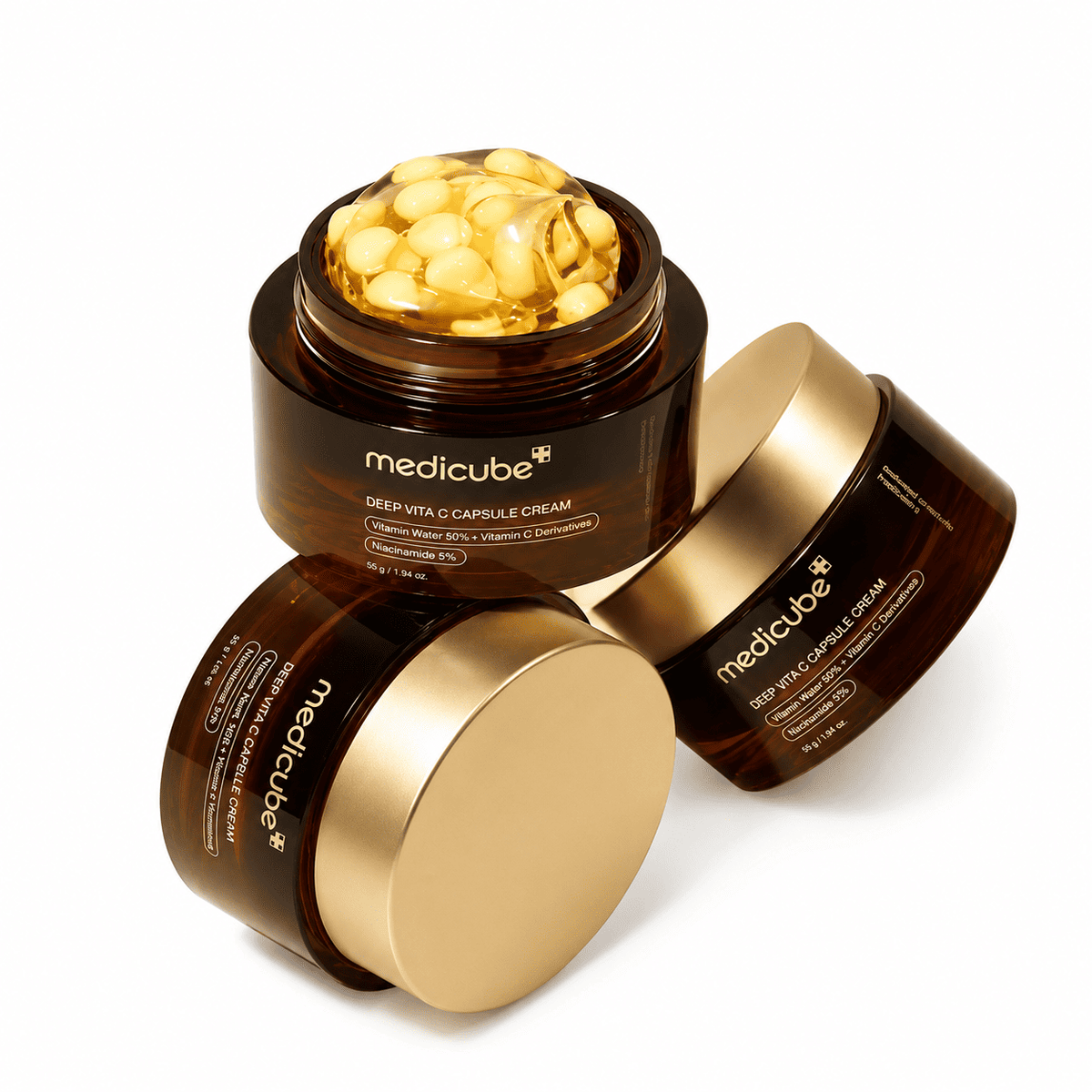
- Medicube Deep Vita C Capsule Serum
- Anua Azelaic Acid 10 + Hyaluron Redness Soothing Serum
- HUBISLAB Vitamin-C Complex 50% Ampoule
6. Peptide Serum or Cream
Peptides can be a useful addition for those focused on firmness and visible signs of aging, particularly when stronger retinoids are not well tolerated.
They may help support the appearance of smoother, firmer skin, although the evidence for peptides is generally less extensive than the evidence supporting retinoids.
The American Academy of Dermatology includes both retinol and peptides among ingredient options for addressing wrinkles and sagging associated with menopausal skin changes.
Recommended Products:
- HUBISLAB MineExo Peptide Ampoule
- Medicube Hyaluronic Multi Peptide Face Serum
- Medicube PDRN Pink Peptide Serum
7. Do Not Forget the Body and Scalp
Hormonal changes do not affect only facial skin.
Body skin may become noticeably drier, so apply a fragrance-free moisturizer containing ingredients such as ceramides, glycerin, urea, or squalane shortly after showering.
Changes in the scalp and hair can also become more noticeable during perimenopause. Persistent itching, significant thinning, or sudden shedding should be assessed by a dermatologist or physician, as several conditions including thyroid disorders, iron deficiency, and androgen-related hair loss can present with similar symptoms.
A Simple Perimenopausal Skincare Routine
Morning
- Gentle cleanser, or simply rinse with water if the skin is very dry
- Vitamin C or niacinamide, if tolerated
- Barrier-supporting moisturizer
- Broad-spectrum SPF 30–50
Evening
- Gentle cleanser
- Retinoid two nights per week to start, gradually increasing as tolerated
- Nourishing moisturizer
On non-retinoid nights, keep the routine simple with moisturizer or a hydrating or peptide serum.
Avoid introducing several strong active ingredients at once. Starting retinoids, exfoliating acids, and concentrated vitamin C simultaneously can make it difficult to identify what is causing irritation.
Do You Need Menopause-Specific Skincare?
Not necessarily.
Many excellent skincare products are not marketed specifically for menopause but still contain exactly what hormonally changing skin needs: barrier-supporting lipids, humectants, retinoids, antioxidants, peptides, and effective sun protection.
That said, several brands have created dedicated ranges for perimenopausal and menopausal skin.
Rather than choosing products simply because they carry a “menopause” label, focus on the skin concern you are actually experiencing.
For some women, that may be dryness and sensitivity. For others, it may be hormonal breakouts, pigmentation, persistent redness, or loss of firmness.
The Bottom Line
Perimenopausal skincare does not have to be complicated.
A gentle cleanser, well-formulated moisturizer, daily sunscreen, and a carefully selected active ingredient can form an excellent foundation. From there, products should be chosen according to individual concerns rather than age alone.