

BeautyIQ Tips & Guides
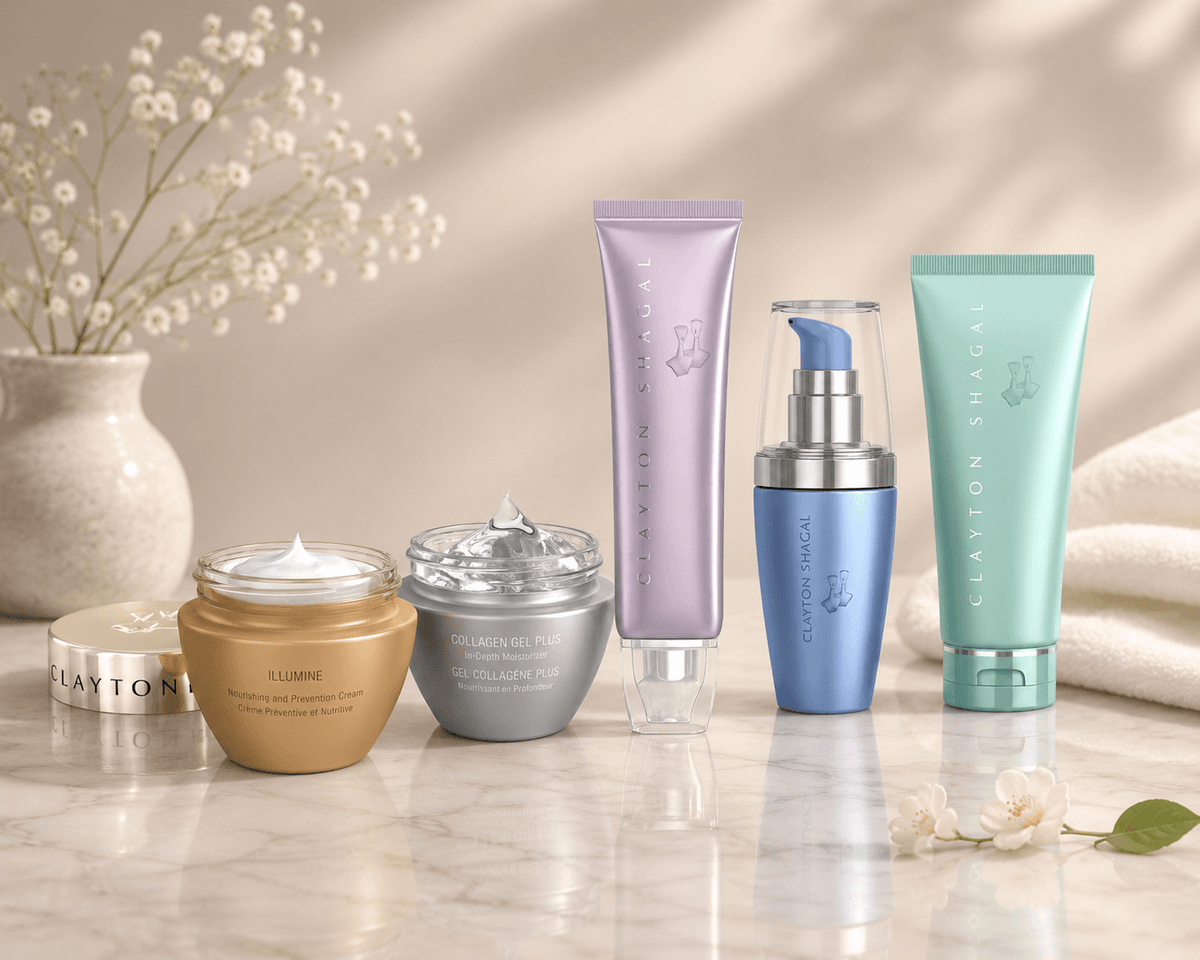

What’s the Difference Between Female and Male Skin?
When it comes to skincare, men and women often have different needs. While everyone’s skin is unique, biological differences between female and male skin can affect oil production, thickness, aging, sensitivity, and even the way the skin responds to treatments and products. Understanding these differences can help you choose the right skincare routine and professional treatments for healthier, more balanced skin. 1. Male Skin Is Usually Thicker One of the biggest differences is skin thickness. Male skin is generally thicker than female skin because of higher testosterone levels. This means men’s skin can sometimes appear firmer and more resilient, especially at a younger age. However, thicker skin does not mean it does not need care. Men can still experience dehydration, sensitivity, acne, irritation, and signs of aging. 2. Men Usually Produce More Oil Male skin typically has more active sebaceous glands, which means it often produces more oil. This can make the skin look shinier and may contribute to clogged pores, blackheads, and acne. Because of this, many men benefit from gentle cleansing, regular exfoliation, lightweight hydration, and oil-balancing ingredients such as niacinamide, salicylic acid, and certain clay-based masks. 3. Female Skin Can Be More Affected by Hormonal Changes Women’s skin often changes throughout the month due to hormonal fluctuations. Skin may feel oilier before a period, more sensitive during certain times of the cycle, or drier during pregnancy, postpartum, perimenopause, and menopause. Estrogen plays an important role in skin hydration, elasticity, and collagen support. When estrogen levels decrease, the skin may become thinner, drier, less firm, and more prone to fine lines. 4. Men May Age Differently Because male skin is thicker and contains more collagen density, visible signs of aging may appear later. However, when aging signs do appear, they can sometimes look deeper and more pronounced. Men are also often less consistent with sunscreen and skincare, which can lead to sun damage, uneven skin tone, rough texture, and premature aging. For both men and women, daily sunscreen is one of the most important steps for protecting the skin. 5. Shaving Affects Male Skin Regular shaving can impact the skin barrier. It may cause irritation, razor bumps, dryness, ingrown hairs, and sensitivity. Men who shave often benefit from soothing and barrier-supporting ingredients such as panthenol, allantoin, aloe vera, ceramides, and hyaluronic acid. Using a gentle cleanser, hydrating after shaving, and avoiding harsh alcohol-based aftershaves can make a big difference. 6. Female Skin May Be More Prone to Dryness Over Time As women age, especially during perimenopause and menopause, the skin can lose moisture and elasticity more quickly. This may lead to dryness, dullness, fine lines, and a weakened skin barrier. A good routine should focus on hydration, barrier repair, antioxidants, peptides, retinoids when appropriate, and consistent sun protection. 7. Product Texture Preferences Can Be Different Men often prefer lightweight, fast-absorbing products that do not feel greasy. Women may be more open to layering products such as toner, serum, moisturizer, and sunscreen. However, the best skincare routine is not about gender, it is about skin type, skin condition, lifestyle, and consistency. 8. Professional Treatments Can Be Customized Both men and women can benefit from professional treatments such as deep cleansing facials, chemical peels, microneedling, LED therapy, hydration treatments, and anti-aging facials. The treatment plan should always be customized based on the skin’s needs, not simply whether someone is male or female. For example, men may need more focus on oil control, clogged pores, shaving irritation, and texture, while women may need more focus on hydration, pigmentation, hormonal breakouts, sensitivity, and collagen support. Final Thoughts Female and male skin have real biological differences, but every person’s skin is individual. The most important thing is to understand your skin type, protect your skin barrier, use sunscreen daily, and choose products that support your specific concerns. Healthy skin is not about having a complicated routine. It is about using the right products consistently and adjusting your skincare as your skin changes over time.
Learn more
How to Take Care of Your Skin While Swimming in a Chlorinated Pool
Summer is here, bringing sunshine, pool days, and plenty of opportunities to cool off in the water. Whether you swim occasionally during the summer or enjoy swimming year-round as part of your fitness routine, it’s important to remember that chlorinated pool water can take a toll on your skin. Chlorine is essential for keeping pools clean by eliminating bacteria and harmful microorganisms, but it can also strip away your skin’s natural protective oils. This may lead to dryness, irritation, itchiness, increased sensitivity, and even flare-ups of conditions such as eczema. Fortunately, with a few simple steps, you can protect your skin and keep it healthy all swimming season long. 1. Rinse Your Skin Before Entering the Pool One of the easiest ways to minimize chlorine exposure is to shower before swimming. When your skin is already saturated with fresh water, it absorbs less chlorinated water from the pool. Taking a quick rinse before you dive in can significantly reduce chlorine penetration and help preserve your skin’s natural moisture barrier. 2. Apply a Protective Pre-Swim Moisturizer Using a lightweight moisturizer or specially formulated pre-swim lotion before entering the pool creates a protective barrier on the skin.These products help reduce chlorine absorption, prevent excessive moisture loss, and minimize post-swim dryness and irritation. If you swim regularly, incorporating a pre-swim barrier cream into your routine can make a noticeable difference. 3. Shower Immediately After Swimming Don’t let chlorine sit on your skin. After leaving the pool, rinse off as soon as possible using lukewarm water and a gentle, sulfate-free body wash or cleanser. This helps remove chlorine residue before it continues to dry out your skin. Frequent swimmers may also benefit from chlorine-neutralizing soaps, shampoos, or sprays that are specifically designed to remove chlorine buildup from both the skin and hair. 4. Restore Moisture Right Away The best time to moisturize is immediately after showering, while your skin is still slightly damp. Apply a rich body lotion or cream containing hydrating ingredients such as glycerin, hyaluronic acid, ceramides, or shea butter to replenish lost moisture and strengthen the skin barrier. Consistent moisturizing helps reduce tightness, flaking, and irritation caused by repeated chlorine exposure. 5. Stay Hydrated Healthy skin starts from within. Swimming, sun exposure, and hot weather can all contribute to dehydration. Drinking plenty of water throughout the day helps support your skin’s natural hydration levels and overall barrier function. 6. Exfoliate Gently Regular exfoliation helps remove dry, rough skin cells and allows moisturizers to absorb more effectively. However, avoid over-exfoliating, especially if you swim frequently. Once or twice a week is usually sufficient. An oil-based body scrubs such as an Organic Coffee & Chocolate Body Scrub, gently polishes the skin while leaving behind nourishing natural oils that help replenish moisture and keep the skin feeling soft and smooth. Organic Coffee & Chocolate Body Scrub 7. Protect Your Skin from the Sun If you’re swimming outdoors, sun protection is just as important as chlorine protection. Choose a broad-spectrum sunscreen that protects against both UVA and UVB rays with an SPF of at least 30. Apply it 15–30 minutes before sun exposure and reapply every two hours or immediately after swimming or excessive sweating even if the product is labeled water-resistant. Sun damage and chlorine together can accelerate skin dryness and premature aging, making sunscreen an essential part of every pool day. Extra Tip: Don’t Forget Your Hair and Lips Chlorine doesn’t just affect your skin it can also dry out your hair and lips. Applying a leave-in conditioner before swimming and using a nourishing lip balm with SPF can help protect these delicate areas from becoming dry and damaged. Enjoy the Pool Without Sacrificing Your Skin Swimming is an excellent form of exercise and a wonderful way to enjoy the summer, but chlorinated water can challenge your skin’s natural barrier if you’re not prepared. By rinsing before you swim, cleansing afterward, moisturizing consistently, staying hydrated, and wearing sunscreen, you can enjoy every pool day while keeping your skin healthy, comfortable, and glowing all season long. So grab your swimsuit, apply your sunscreen, and dive into summer with confidence!
Learn more
How to Choose the Right Face Cleanser for your Skin Type?
Choosing the right face cleanser is one of the most important steps in building a skincare routine. Cleansing removes makeup, sunscreen, dirt, excess oil, and pollution but the wrong formula can leave your skin feeling tight, irritated, or even cause breakouts. The key is matching your cleanser to your skin type. You should cleanse your face once or twice daily, depending on your skin type and lifestyle. Most people benefit from washing once in the evening to remove makeup, sunscreen, oil, and impurities, and optionally once in the morning if their skin feels oily or congested. Over-cleansing can disrupt the skin barrier, so choose a gentle formula that doesn’t leave your skin feeling tight or dry. Below is a simple guide to help you choose the best cleanser for your skin’s needs. 1. For Dry or Dehydrated SkinIf your skin feels tight, flaky, or dull, you likely need moisture and barrier support. What to look for: Cream or milk cleansers Gentle hydrating formulas, ingredients such as: Hyaluronic acid, Glycerin, Ceramides, Squalane, Panthenol. Avoid foaming or gel cleansers with strong surfactants, high amounts of alcohol or fragranceWhy it works: Creamy, hydrating cleansers remove impurities without stripping your natural oils, keeping your skin balanced and comfortable. Our top top picks: Milk cleanser by Clayton Shagal Moisturizing Micellar Milk Line Repair GLOW Cleansing Soap JUVELAST Line 2. For Oily or Acne-Prone Skin If your skin gets shiny quickly, or you experience clogged pores, look for formulas that control excess oil without over-drying. What to look for: Gel or foam cleansers Lightweight texturesIngredients such as: Salicylic acid (BHA), Niacinamide, Tea Tree Extract, Zinc PCA, Benzoyl Peroxide Avoid heavy or creamy cleansers, over-washing (more is not better!) Why it works: BHA cleansers help clear pores and reduce breakouts, while gel textures give a deep clean that leaves your skin refreshed, not tight. Our top picks: AHA-BHA Active Cleanser Line Repair HYDRA Purifying Gel Cleanser Soap DOUBLE ACTION Line 3. For Combination Skin Combination skin can be tricky, it’s oily in some areas and dry in others. What to look for: Gel or low-foam cleansers Balancing formulasIngredients like: Niacinamide, Green tea, PH-balanced surfactants Avoid harsh stripping cleansers and very rich creamy cleansers Why it works: A balanced cleanser gives a thorough clean without worsening dry patches or making oily areas oilier. 4. For Sensitive Skin Redness, irritation, and reactivity mean you need ultra-gentle care. What to look for: Fragrance-free, hypoallergenic formulas Cream or milk cleansers Ingredients like: Cica (Centella), Oat extract, Aloe Vera, Ceramides, Allantoin, Panthenol, Squalane, Glycerin. Avoid: scrubs, fragrances, strong acids, foaming textures Why it works: Gentle cleansers protect your skin barrier and calm inflammation while still removing impurities. Our top picks: Cleanser for Sensitive Skin CALM DERM Line 5. For Normal SkinIf your skin is not too dry or oily (lucky you!), you have flexibility. What to look for: Gentle gel or cream cleansers Hydrating and balancing ingredients Avoid harsh or stripping formulas Why it works: Normal skin thrives with a simple, gentle cleanser that maintains balance without unnecessary additives. Our top picks: Cleanser with Hyaluronic Acid VITALISE Line Cleansing Gel MULTIVITAMIN Line Extra Tips for Choosing the Perfect Cleanser: ✔ Patch test new products. Especially if you have sensitive or acne-prone skin. ✔ Check the pH. A cleanser with a pH around 5.0–6.0 is ideal for maintaining a healthy skin barrier. ✔ Consider double cleansing. If you wear heavy makeup or sunscreen, start with an oil-based cleanser, then follow with your regular water-based cleanser. ✔ Listen to your skin. If your cleanser leaves your face feeling tight, squeaky, or itchy, it’s not the right one.
Learn more
6 Causes of Premature Aging
What makes us age faster and what you can do about it. Some people seem to age faster than others, even when they’re the same age. Fine lines appear earlier, skin looks dull or hollow, and elasticity fades sooner than expected. Premature aging isn’t just about genetics, daily habits and lifestyle choices play a huge role. Before we dive into the causes, let’s understand what actually happens to our skin when we age. As time passes, several biological changes occur: Collagen and elastin break down, leading to wrinkles and sagging Facial fat volume shrinks, making the face appear hollow or sunken Skin becomes thinner and more fragile Cell turnover slows, causing dullness, uneven tone, and discoloration Mitochondria (our cells’ energy factories) burn out, reducing skin repair and regeneration When these processes accelerate, aging becomes more visible sooner. Why do some people age faster?The 6 main causes of premature aging 1. Chronic sun exposure (the #1 aging accelerator)UV radiation is responsible for up to 80–90% of visible skin aging. What it does: Breaks down collagen and elastin Causes pigmentation and sun spots Dehydrates the skin Deepens wrinkles and texture What to do: Wear broad-spectrum SPF 30–50 daily (yes, even in winter) Reapply sunscreen every 2–3 hours when exposed Use antioxidants like vitamin C to protect against UV damage Here are our recommended sunscreens and vitamin C serum for healthy-looking skin: Antioxidant Assist SPF 50 Line Repair FIX Daytime Guard SPF-50 Line Repair FIRM Vitamin-C Complex 50% Ampoule 2. Poor skincare habitsNot using skincare or using the wrong products leaves skin unprotected and unsupported. What it does: Accelerates moisture loss Weakens the skin barrier Prevents repair and renewal What to do: Cleanse gently, not aggressively Use a moisturizer suited to your skin type Support skin with targeted actives like retinoids, vitamin C, hyaluronic acid, peptides, and ceramides 3. Inconsistent skincare routineStarting and stopping active ingredients disrupts results. What it does: Slows collagen stimulation Reduces brightness and firmness Prevents long-term skin improvement What to do: Be consistent with actives like retinol and vitamin C Introduce products slowly, but stick with them Think long-term skin health, not quick fixes 4. Smoking and alcoholThese habits visibly age the skin faster than almost anything else. What they do: Destroy collagen and elastin Dehydrate the skin Reduce oxygen and nutrient delivery Increase inflammation and dullness What to do: Reduce or eliminate smoking Limit alcohol intake Increase hydration and antioxidant-rich skincare 5. Poor sleep and chronic stressBeauty sleep is real and stress shows on the face. What it does: Raises cortisol levels, breaking down collagen Slows skin repair overnight Causes puffiness, dullness, and fine lines What to do: Aim for 7–9 hours of quality sleep Manage stress through movement, breathing, or mindfulness Use night skincare that supports repair and regeneration 6. Bad diet (high sugar & processed foods)What you eat directly affects how your skin ages. What it does: Sugar causes glycation, which stiffens collagen Processed foods increase inflammation Nutrient deficiencies slow cell renewal What to do: Eat antioxidant-rich foods (berries, greens, healthy fats) Reduce sugar and ultra-processed foods Support skin from within with vitamins, minerals, and hydration Can premature aging be reversed?While we can’t stop time, we can slow, improve, and even partially reverse visible aging by: Protecting skin from the sun Staying consistent with skincare Supporting collagen production Managing stress, sleep, and nutrition Healthy aging is not about perfection, it’s about daily habits done consistently.Your skin reflects how you care for it. Start today, and your future skin will thank you.
Learn more
Trending Skincare Ingredients of 2026: What’s Hot in Beauty This Year
The world of skincare evolves rapidly, but 2026 is shaping up to be a year of science-backed, effective, and gentle ingredients. From advanced anti-aging molecules to hydration heroes, these trending ingredients are making waves in skincare routines everywhere. Let’s explore the top skincare ingredients, what they do, and why they’re trending. 1. PDRN (Polydeoxyribonucleotide)PDRN is a cutting-edge ingredient that acts as the building blocks for DNA, supporting skin regeneration at the cellular level. Benefits:* Promotes wound healing* Anti-aging effects* Anti-inflammatory properties Why it’s trending: Most research uses salmon-derived PDRN, and studies show it improves skin texture, elasticity, and repair. 💡 Pro tip: PDRN is often used in serums and professional treatments for targeted skin rejuvenation. 2. ExosomesExosomes are tiny extracellular vesicles that carry growth factors and signaling molecules. Benefits: Stimulate cell communication, repair, and regeneration. Trend moment: Rising popularity in anti-aging and advanced clinical skincare. Why it matters: Exosomes help boost the effectiveness of other actives and support overall skin vitality. MineExo Peptide Ampoule 3. Retinal (Retinaldehyde)Retinal is a potent anti-aging vitamin A derivative. Why it’s powerful: Unlike retinol, it requires fewer steps to convert into active retinoic acid. Benefits:* Improves skin texture* Reduces fine lines and wrinkles* Helps fade dark spots* Supports skin resurfacing 💡 Pro tip: Retinal is highly effective but often gentler than prescription-strength retinoids, making it a next-level anti-aging option. 4. Ethyl Ascorbic AcidA stable, gentler form of Vitamin C, perfect for sensitive skin. Benefits:* Brightens skin* Supports collagen production* Protects against free radical damage Why it’s trending: Offers all the perks of L-ascorbic acid without irritation. 💡 Pro tip: Use in morning serums for antioxidant protection and glow. Vitamin-C Complex 50% Ampoule 5. UreaA multifunctional ingredient depending on concentration. * Below 10%: Hydrates deeply and supports the skin barrier.* Above 10%: Provides gentle chemical exfoliation for smoother, softer skin. Why it’s trending: Its versatility makes it ideal for both hydration-focused and exfoliating treatments. 6. Hypochlorous AcidA gentle, antimicrobial ingredient that’s gaining attention for everyday protection. Benefits:* Kills bacteria on skin* Reduces inflammation* Can be safely sprayed on face and hands 💡 Pro tip: Hypochlorous acid is perfect for sensitive, acne-prone, or reactive skin. 7. SqualaneSqualane remains a hydration hero in 2026. Benefits: Lightweight, non-greasy moisture for all skin types. Why it’s trending: Sustainable sources (like olive or sugarcane) make it eco-friendly too. 8. Polyglutamic Acid (PGA)A next-level humectant that holds more water than hyaluronic acid. Benefits:* Plumps and hydrates skin* Improves elasticity* Enhances overall radiance Why it’s trending: Popular in serums and moisturizers for intense hydration without heaviness. 9. PeptidesPeptides continue to dominate the anti-aging conversation. Benefits:* Stimulate collagen and elastin production* Improve skin firmness* Support barrier function Pro tip: Multi-peptide complexes are trending in 2026 for firming, lifting, and smoothing effects. Bio Cell Peptide Fluid 10. Niacinamide (Vitamin B3)Niacinamide continues to be one of the most loved and versatile skincare ingredients in 2026. Backed by strong scientific research, it works with the skin’s natural biology to improve overall skin health. Benefits: * Strengthens the skin barrier* Reduces redness and inflammation* Balances oil production* Minimizes the appearance of pores* Improves uneven skin tone and dullness Why it’s trending:Niacinamide delivers visible results without irritation, making it suitable for almost every skin type including sensitive, acne-prone, and aging skin. In 2026, it’s especially popular in multi-active formulas that focus on barrier repair and long-term skin resilience. Niacinamide Night Cream Line Repair NUTRIENT 💡 Pro tip: Niacinamide pairs beautifully with ingredients like peptides, retinal, hyaluronic acid, and ceramides, making it a staple in both morning and evening routines. 2026 skincare trends are all about smarter, effective, and gentle ingredients. Whether you’re looking for hydration, anti-aging, skin repair, or barrier support, these trending ingredients deliver results with science behind them.
Learn more
The Benefits of Topical Collagen in Skincare: Does It Really Work?
Collagen is one of the most talked-about ingredients in skincare and for good reason. As the most abundant protein in our skin, collagen provides structure, firmness, and smoothness. But starting in our mid-20s, natural collagen production gradually slows, contributing to fine lines, loss of elasticity, and a more uneven texture. This is why collagen-focused skincare has become so popular. One common question, though, is whether topical collagen (collagen applied on the skin through creams, serums, and masks) actually works. While topical collagen cannot replace or rebuild the body’s own collagen to the same degree as in-office treatments, it still offers several valuable benefits that make it a great addition to a skincare routine. 1. Intense Hydration Topical collagen molecules are typically too large to penetrate deeply into the skin, however, they are excellent at attracting and holding moisture on the surface. This creates a plumper, smoother, better-hydrated complexion. Many collagen creams act as moisture barriers, preventing transepidermal water loss and keeping skin hydrated for longer. 2. Improved Smoothness and Softness Because topical collagen is highly moisturizing, it helps soften rough or dry patches. The added hydration temporarily reduces the appearance of fine lines and gives the skin a more supple, velvety finish. This makes it especially beneficial for people with dry, dehydrated, or mature skin. 3. Support for the Skin Barrier Moisture-binding ingredients like collagen help strengthen the skin barrier, which is essential for healthy skin. A strong barrier protects against environmental stressors such as pollution, weather changes, and harsh skincare products. With consistent use, collagen-based formulas can help maintain a more balanced, resilient complexion. 4. Enhanced Elasticity Over Time While topical collagen cannot directly increase collagen production in deeper layers of the skin, many collagen products are combined with ingredients that encourage firmness, such as peptides, hyaluronic acid, or antioxidants. These supporting ingredients can help improve skin elasticity and encourage a firmer appearance when used consistently. 5. Instant “Glow” and Softer Texture Collagen masks and serums often deliver quick cosmetic results: skin looks smoother, more radiant, and more refreshed immediately after application. This is why collagen sheet masks are a popular choice before special events—they provide fast hydration and give the skin a visible boost in luminosity. 6. Suitable for Sensitive Skin Because collagen is gentle and non-irritating, it works well for people with sensitive or reactive skin who may not tolerate stronger active ingredients. It offers hydration and smoothing benefits without causing redness or peeling. How to Choose a Topical Collagen Product Not all collagen products are created equal. Here are a few things to look for: • Hydrolyzed collagen: broken down into smaller fragments for better absorption • Complementary ingredients: peptides, hyaluronic acid, ceramides, and antioxidants • Lightweight textures: serums or gel creams absorb quickly without heaviness • Trusted brands: look for products with transparent ingredient lists and clinical testing If you’re aiming for long-term, structural collagen improvement, combining topical collagen with ingredients like retinoids, vitamin C, or peptides will be more effective. But for hydration, softness, and an overall boost in skin appearance, topical collagen is absolutely beneficial. Our Top Pick: Clayton Shagal Collagen Gel For a hydrating, lightweight, everyday collagen boost, we recommend Clayton Shagal Collagen Gel. This gel formula combines topical collagen with hydrating agents that lock in moisture without feeling heavy or greasy which is perfect for all skin types. Use it after cleansing and toning, or layer it under your moisturizer for an added hydration surge. Why we love it: • Deeply hydrating without clogging pores • Smooth, non-sticky texture • Great for layering under other skincare • Ideal for dry, sensitive, or mature skin How to Incorporate Collagen into Your Routine To get the most out of topical collagen: • Apply products while skin is slightly damp to lock in moisture • Layer under a moisturizer for extra hydration • Combine with supporting actives like vitamin C or peptides for enhanced results If you’re aiming for long-term structural collagen improvement, combining topical collagen with ingredients like retinoids and antioxidant serums will be even more effective. But for hydration, softness, and an overall boost in skin appearance, topical collagen is a fantastic addition to your regimen. Final Thoughts Topical collagen may not rebuild collagen deep inside the skin, but it definitely earns its place in a skincare routine. It hydrates, smooths, softens, and strengthens the skin’s surface all of which contribute to a healthier, more radiant complexion. Whether you choose a serum, cream, or mask, collagen-infused products can offer both instant and long-term cosmetic benefits, especially when paired with a consistent routine and supportive ingredients.
Learn more