

BeautyIQ Tips & Guides
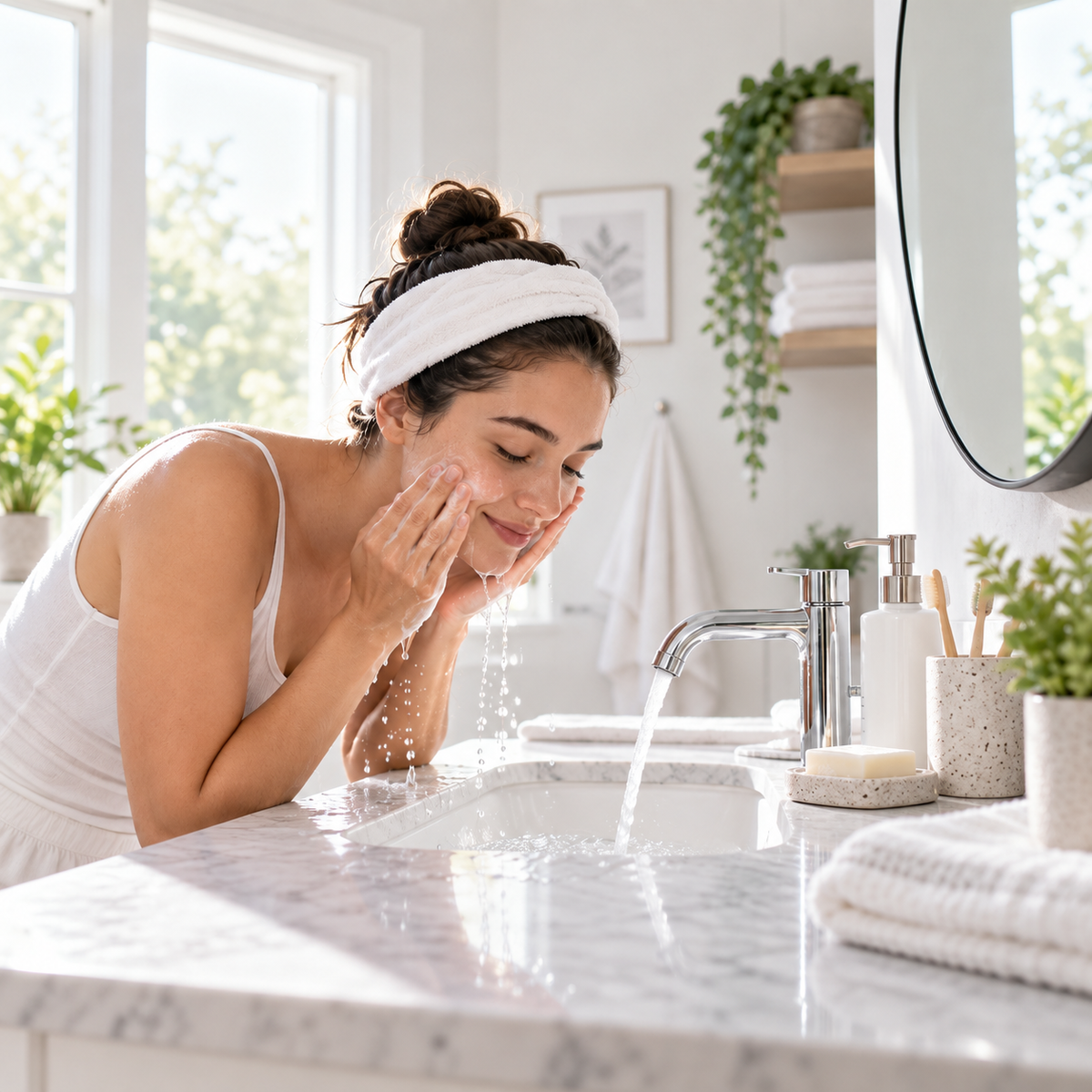

How to Layer Skincare: A Quick Reference Guide
Layering skincare products in the right order can help your routine feel more comfortable, prevent heavier products from interfering with lighter ones, and make it easier to get the most out of each step. A simple rule to remember is: apply products from the lightest, most water-based texture to the richest and most occlusive texture. And no, you do not need to use every product on this list. Think of this as a quick reference showing what goes on top of what when those products are part of your routine. Morning Skincare Order Water-Based Cleanser - removed sweat, excess oil, and impurities without leaving a heavy residue. Toner- applied after cleansing to refresh the skin and prepare it for the next steps. Essence - a lightweight hydrating step that usually goes before serums and creams. Serum - apply targeted serums according to their texture and formulation. If using more than one, generally apply the thinnest first. Gel - lightweight hydrating or treatment gels typically go before lotions and creams. Lotion - a lighter moisturizer that adds hydration without the richness of a cream. Eye Cream - apply a small amount around the eye area before heavier facial products. Cream - helps seal in hydration and support the skin barrier. Sunscreen - it should be the final step of your morning skincare routine, before makeup. Makeup - apply after sunscreen has had a chance to settle on the skin. Evening Skincare Order Oil-Based Cleanser - helps dissolve makeup, sunscreen, and oil-based buildup. Water-Based Cleanser - removes remaining impurities and completes a double cleanse when needed. Toner Essence Serum Gel Lotion Eye Cream Cream Oil or Ointment - facial oils and more occlusive products generally belong near the end of the routine to help reduce moisture loss and seal in the products underneath. Do You Really Need All 10 Steps? Absolutely not. A skincare routine does not need to be complicated to be effective. Most people will only use a few of these categories at a time. For example, a simple morning routine may be: Cleanser → Serum → Moisturizer → Sunscreen And an evening routine may be: Cleanser → Treatment Serum → Moisturizer The full list is simply a guide to help you understand where a product belongs if you choose to use it What About Exfoliants, Retinoids, and Other Active Treatments? Not every skincare product fits perfectly into a texture-based layering chart. Chemical exfoliants, retinoids, acne treatments, prescription products, and other active ingredients should be used according to their individual directions. Some are applied immediately after cleansing, while others may be layered differently depending on the formula and your skin tolerance. Avoid introducing too many active ingredients at once, especially if your skin is sensitive or easily irritated. The Most Important Layering Rule When in doubt, remember:Cleanse first → apply lightweight products → follow with richer moisturizers → finish with sunscreen in the morning or more occlusive products at night. Your ideal routine should always be adjusted for your skin type, concerns, product formulations, and tolerance. At BeautyIQ Shop, we believe skincare does not have to be complicated. Choosing the right products and using them in the right order can make building an effective routine much easier.
Learn more
How to Achieve Dewy, Glowing Skin
If you’ve ever admired that radiant, “lit-from-within” glow celebrities and skincare influencers seem to have, you’re probably thinking about dewy skin. But what exactly does that mean? What Is Dewy Skin? Dewy skin is plump, radiant, and healthy-looking, with a natural luminosity that catches the light without appearing greasy. It’s the kind of glow that makes your complexion look hydrated, fresh, smooth, and youthful. Achieving dewy skin usually comes down to a combination of hydration, barrier support, gentle exfoliation, sun protection, and consistency. Morning Routine for Dewy Skin The goal in the morning is to hydrate, protect, and enhance your skin’s natural glow. Cleanser – Use a cleanser that suits your skin type. Choose a hydrating or creamy cleanser if your skin is dry or sensitive, or a lightweight foaming cleanser if your skin is oily or combination. Salicylic acid cleansers can also be helpful for oily or acne-prone skin. Vitamin C Serum – Vitamin C is an antioxidant that helps protect the skin from environmental stress while improving the appearance of dullness and uneven skin tone. It can also help give the complexion a brighter, more radiant look. Hydrating Serum or Essence – Look for ingredients such as hyaluronic acid, glycerin, ceramides, urea, squalane, snail mucin, ectoin, peptides, and niacinamide. These ingredients help support hydration, improve skin comfort, and create a smoother, plumper appearance. Moisturizer – Choose a moisturizer based on your skin type. Lightweight gel or lotion formulas work well for oily and combination skin, while richer creams may be more suitable for dry or dehydrated skin. Sunscreen – Daily sunscreen is essential for maintaining healthy-looking, radiant skin. UV exposure can contribute to dryness, uneven tone, pigmentation, and premature signs of aging. A moisturizing sunscreen with a natural or luminous finish can also enhance the dewy effect. https://www.beautyiqshop.com/products/milk-cleanser https://www.beautyiqshop.com/products/vitamin-c-complex-50-ampoule https://www.beautyiqshop.com/products/hyaluron-complex-65-ampoule https://www.beautyiqshop.com/products/moisture-max-hydro-moisturizer https://www.beautyiqshop.com/products/post-rays-derma-perfect-sunscreen-spf50-pa Evening Routine for Dewy Skin At night, the focus shifts toward cleansing, hydration, skin renewal, and barrier support. Cleanser – Remove makeup, sunscreen, excess oil, and impurities without stripping the skin. If you wear heavy makeup or water-resistant sunscreen, you may prefer to double cleanse. Retinoids and Exfoliating Acids – These ingredients can help improve skin texture, tone, and radiance over time. Retinoids support skin renewal and help improve the appearance of fine lines, while acids such as glycolic, lactic, and salicylic acid help exfoliate and refine the complexion. Introduce active ingredients gradually based on your skin’s tolerance. Exfoliating acids can usually be incorporated 1–2 times per week, and it may be best to use them on separate nights from retinoids if your skin is sensitive or prone to irritation. Hydrating Serum – Hydrating ingredients such as hyaluronic acid, glycerin, peptides, panthenol, ectoin, and squalane can help replenish moisture and keep the skin feeling comfortable. Moisturizer – Finish with a moisturizer to help lock in hydration and support the skin barrier overnight. https://www.beautyiqshop.com/products/moisture-max-cleansing-foam https://www.beautyiqshop.com/products/retinol-e-active-cream-line-repair-fix https://www.beautyiqshop.com/products/theraskin-ha-line-repair-hydra https://www.beautyiqshop.com/products/hyaluronic-moisturizing-capsule-cream Don’t Forget Your Skin Barrier A healthy skin barrier is one of the foundations of dewy-looking skin. When the skin barrier is well supported, the skin is better able to retain moisture and tends to look smoother, softer, and more radiant. When the barrier becomes compromised, skin may appear dry, flaky, irritated, sensitive, or dull. Look for barrier-supporting ingredients such as: Ceramides Cholesterol Fatty acids Squalane Niacinamide Panthenol Ectoin And remember: more exfoliation does not always mean more glow. Overusing acids, scrubs, or retinoids can lead to irritation and dehydration, making the skin appear less radiant. Dewy Skin vs. Oily Skin Dewy skin should look hydrated and luminous rather than greasy. Even oily and acne-prone skin can become dehydrated. When this happens, the skin may feel tight while still producing excess oil. Instead of skipping moisturizer, choose lightweight hydrating serums, gel moisturizers, and non-greasy sunscreens that provide hydration without feeling heavy. Professional Treatments for Extra Glow For those looking to enhance their results, professional treatments can help improve skin texture, tone, hydration, and overall radiance. Depending on your skin type and concerns, options may include: Hydrating Facials – Help replenish moisture and leave the skin looking fresh and plump. Dermaplaning – Removes surface buildup and fine facial hair, helping the skin appear smoother and more luminous. Chemical Peels – Glycolic, lactic, salicylic, TCA, and other professional peels can help improve texture, pigmentation, congestion, and dullness. Microneedling – Helps improve the appearance of texture, fine lines, and overall skin quality. Fractional Laser Treatments – Treatments such as CO2, Erbium, Multifrax, and Clear + Brilliant can help improve skin texture, tone, and firmness. The best treatment depends on your skin type, sensitivity, goals, and current skincare routine. Final Tips for Dewy Skin Focus on hydration. Use moisture-binding ingredients regularly and maintain normal daily hydration. Protect your skin barrier. Avoid over-cleansing and over-exfoliating. Don’t skip sunscreen. Daily UV protection is one of the most important steps for maintaining healthy-looking skin. Layer hydration strategically. Hydrating serums, moisturizers, and luminous sunscreens can help create a fresh, glossy finish. Choose products for your skin type. Dewy skin does not require heavy creams or oils. Be consistent. Healthy-looking, radiant skin comes from regular skincare rather than a one-day glow. Introduce active ingredients gradually. More is not always better, especially when using retinoids and exfoliating acids. Dewy skin is ultimately about creating a complexion that looks hydrated, smooth, comfortable, and healthy. With the right combination of hydration, barrier support, gentle skin renewal, and daily sun protection, that natural glow can become part of your everyday skincare routine.
Learn more
Maple Leaf Extract for Skin: Benefits & What the Science Says
Maple leaf extract may not be one of the most talked-about skincare ingredients, but it contains naturally occurring plant compounds that make it an interesting addition to antioxidant-focused skincare. Maple leaves contain polyphenols and other phenolic compounds known for their antioxidant activity. While research into maple-derived ingredients is still developing, their potential benefits for skin have attracted increasing interest in cosmetic science. So, what can maple leaf extract realistically do for your skin? 1. Provides Antioxidant Support One of the main benefits of maple leaf extract is its antioxidant potential. Every day, skin is exposed to environmental stressors such as UV radiation and pollution, which can contribute to the formation of free radicals and oxidative stress. Over time, oxidative stress plays a role in visible signs of premature skin aging. The naturally occurring antioxidant compounds found in maple leaves can help neutralize free radicals, making maple leaf extract a useful supporting ingredient in skincare focused on maintaining healthy-looking skin. Of course, antioxidants complement but not replace daily broad-spectrum sunscreen. 2. Helps Condition the Skin Maple leaf extract can also function as a skin-conditioning botanical ingredient, helping support a softer, smoother and healthier-looking complexion. However, it’s important to remember that the hydration and moisturizing benefits of a finished skincare product come from the entire formula. Humectants, emollients, botanical oils and other moisturizing ingredients all contribute to how a product ultimately performs on the skin. 3. Interesting Research on Elastin One of the most intriguing areas of maple leaf research involves elastase, an enzyme involved in the breakdown of elastin. Elastin is an important structural protein that helps skin maintain its flexibility and resilience. Laboratory research has found that certain compounds isolated from maple leaves may have elastase-inhibiting activity. This has made maple-derived compounds an interesting area of research for age-supportive skincare. For now, maple leaf extract is best viewed as an antioxidant-rich botanical ingredient with promising emerging research. Is Maple Leaf Extract a Natural AHA? Sugar maple is sometimes described as a natural source of alpha hydroxy acids (AHAs), but this can be misleading. Simply having maple extract in a formula does not make the product an AHA exfoliant. Effective chemical exfoliation depends on the specific acids present, their concentration and the pH of the finished formula. For this reason, we don’t consider maple leaf extract a replacement for established exfoliating acids such as glycolic, lactic or mandelic acid. The Bottom Line Maple leaf extract offers a unique combination of botanical antioxidant and skin-conditioning properties, while emerging research into maple-derived compounds and elastase makes it an especially interesting ingredient in age-supportive skincare. But no single botanical ingredient does everything. The quality of the complete formulation and a consistent skincare routine that includes daily sun protection matters much more than any one “hero” ingredient. Discover Maple Leaf Skincare at BeautyIQ If you’re interested in incorporating maple leaf extract into your routine, Beauty IQ offers two Canadian-made VeOrganics formulas featuring a blend of organically produced Red Maple, Sugar Maple and Striped Maple leaf extracts: VeOrganics Organic Maple Leaf Elastin Complex Serum A lightweight botanical serum featuring the three maple leaf extracts as the first ingredients, combined with amla, camu camu, chamomile and glycerin for antioxidant, hydrating and skin-conditioning support. The serum can be used alone or layered underneath the cream for a more complete maple-focused skincare routine. VeOrganics Organic Maple Leaf Elastin Complex Cream A rich moisturizing cream combining the three maple leaf extracts with aloe vera, astaxanthin, mango, cocoa and shea butters, botanical oils, amla and camu camu for nourishing moisture and antioxidant support.
Learn more
Rosacea-Safe Ingredient Guide: What to Use (and What to Avoid)
Rosacea-prone skin requires a thoughtful, gentle approach. It’s not about using more products, it’s about using the right ingredients that help repair the skin barrier, calm inflammation, and minimize common triggers. If you struggle with redness, flushing, sensitivity, or rosacea-related bumps, this guide will help you choose skincare that supports your skin instead of stressing it. Why Ingredient Choice Matters for Rosacea Rosacea is associated with a weakened skin barrier and chronic inflammation. When the skin barrier is compromised, it becomes more reactive to common triggers such as sun exposure, heat, wind, harsh active ingredients, and fragranced products. The goal of a rosacea-safe skincare routine is to: Strengthen the skin barrier Reduce inflammation Minimize irritation Help prevent flare-ups Protect against UV damage Let’s break down what that looks like in practice. Barrier-Repair Ingredients (Daily Essentials) Barrier repair is the foundation of rosacea care. Without a healthy skin barrier, even beneficial ingredients can cause stinging or irritation. Key Ingredients to Look For: Ceramides - Help restore and protect the skin barrier by replenishing essential lipids. Cholesterol & Fatty Acids -Work alongside ceramides to repair and strengthen a compromised skin barrier. Squalane - A lightweight, non-irritating emollient that softens the skin and helps reduce moisture loss. Glycerin - A gentle humectant that attracts water to the skin without causing irritation. Hyaluronic Acid - Provides lightweight hydration, making it ideal for sensitive, redness-prone skin. Panthenol (Pro-Vitamin B5) - Supports barrier repair while helping soothe irritation and discomfort. Best for: Dry, sensitive, and barrier-compromised rosacea-prone skin. Soothing & Anti-Inflammatory Ingredients Once the skin barrier is supported, calming inflammation becomes the next priority. Ingredients That Help Reduce Redness Niacinamide (2–5%) - Helps strengthen the skin barrier and visibly reduce redness. Lower concentrations (2–5%) are generally better tolerated by rosacea-prone skin. Azelaic Acid (5–15%) - Considered a gold-standard ingredient for rosacea. It helps reduce redness, visible bumps, and uneven skin texture. Centella Asiatica (Cica) - Helps soothe inflammation and supports the skin’s natural healing process. Allantoin - Calms irritated skin and promotes skin recovery. Panthenol (Pro-Vitamin B5) - Helps reduce irritation while strengthening the skin barrier. Colloidal Oatmeal - Provides anti-inflammatory and anti-itch benefits, making it especially helpful during flare-ups. Green Tea Extract - Offers antioxidant protection while helping calm visible redness. Chamomile Extract - Helps soothe sensitive skin and reduce visible signs of irritation. Best for: Flushing, sensitivity, papules, and pustules. Antioxidants & Redness Reducers (Use If Tolerated) Antioxidants can benefit rosacea-prone skin, but they should be introduced gradually. Vitamin C Resveratrol Ferulic Acid These antioxidants help protect against environmental stressors and reduce oxidative damage. However, higher concentrations may cause stinging or irritation in sensitive skin. Always patch test new products and introduce them slowly. Gentle Skin Antiseptic Hypochlorous Acid Hypochlorous acid helps reduce bacteria on the skin while calming irritation. It can be especially helpful for rosacea-prone skin that is sensitive or experiencing flare-ups. Sunscreen: The Most Important Step Sun exposure is one of the top rosacea triggers. Daily SPF is non-negotiable. The Best Choice for Rosacea Mineral (physical) sunscreens containing: Zinc Oxide Titanium Dioxide These filters are generally better tolerated by many people with rosacea than chemical UV filters, especially if the skin is highly sensitive or prone to flare-ups. Look for formulas that are: Fragrance-free Alcohol-free Designed for sensitive skin Ingredients to Use With Caution Some people with rosacea tolerate these ingredients well, while others may find them irritating. Lactic acid (low concentrations only) Polyhydroxy acids (PHAs) Low-strength retinoids (only when the skin barrier is healthy and rosacea is well controlled) If your skin is currently flaring, it’s best to avoid exfoliating acids and retinoids until the flare-up has settled. Common Ingredients to Avoid These ingredients commonly trigger rosacea flare-ups: Alcohol (especially denatured alcohol listed high in the ingredient list) Fragrance and essential oils Sulfates (such as SLS and SLES) Strong exfoliating acids (high-strength glycolic acid, lactic acid, or salicylic acid) Menthol, peppermint, and eucalyptus Harsh physical scrubs Witch hazel (especially alcohol-based formulas) High-strength retinoids High concentrations of pure L-ascorbic acid (Vitamin C), which may sting and worsen redness Even if a product is labeled “natural,” it can still irritate rosacea-prone skin. Final Thoughts Managing rosacea isn’t about aggressive treatments, it’s about consistency, gentleness, and supporting the skin barrier. Focus on: Repairing first Calming second Protecting daily Over time, using the right ingredients consistently can reduce skin reactivity, strengthen the skin barrier, and help minimize flare-ups. If you’re building a rosacea-friendly skincare routine, keep it simple: start with a gentle cleanser, moisturizer, and mineral sunscreen. Once your skin is comfortable and stable, introduce active ingredients slowly and one at a time. Healthy, comfortable rosacea-prone skin is possible with the right approach.
Learn more
Understanding Rosacea Triggers: What Causes Flare-Ups and How to Prevent Them
Rosacea is a chronic inflammatory skin condition that primarily affects the central face: cheeks, nose, chin, and forehead. It often presents as persistent redness, visible capillaries, flushing, and in some cases, acne-like breakouts. While rosacea cannot be completely cured, it can be effectively managed and understanding your personal triggers is one of the most important steps in controlling flare-ups. What Are Rosacea Triggers? Rosacea triggers are internal or external factors that cause blood vessels in the skin to dilate, leading to flushing, inflammation, and increased sensitivity. Triggers vary from person to person, which is why identifying your own patterns is essential. Below are the most common culprits. 1. Heat & Temperature Changes Heat is one of the most frequent rosacea triggers. It increases blood flow to the skin, intensifying redness and flushing. Common heat-related triggers: Hot weather Saunas and steam rooms Hot showers Intense workouts Sudden temperature shifts (cold outdoors → warm indoors) Tip: Choose lukewarm water, avoid overheating, and allow your skin to cool gradually. 2. Sun Exposure Ultraviolet (UV) radiation is one of the strongest and most consistent rosacea triggers. Even short periods of sun exposure can worsen inflammation and cause prolonged redness. Prevention strategy: Daily broad-spectrum SPF 30+ Prefer mineral sunscreens (zinc oxide, titanium dioxide) Wear hats and seek shade Sun protection is not optional for rosacea-prone skin - it is essential. 3. Food & Beverages Certain foods stimulate circulation and trigger flushing. Most common dietary triggers: Alcohol (especially red wine) Spicy foods Very hot beverages Caffeine (for some individuals) Not everyone reacts to the same foods. Keeping a food journal can help identify personal sensitivities. 4. Emotional Stress Stress increases inflammatory mediators in the body and can significantly worsen rosacea symptoms. Triggers include: Anxiety Embarrassment High-pressure situations Emotional distress Incorporating stress-management techniques like breathing exercises, walks, or mindfulness practices can reduce flare frequency. 5. Skincare Products Rosacea skin has a compromised barrier, making it more reactive to harsh ingredients. Common cosmetic triggers: Alcohol-based products Fragrance and essential oils Menthol, peppermint, eucalyptus Harsh exfoliants Overuse of strong acids or retinoids Less is more when managing rosacea. Gentle, barrier-supportive products are key. 6. Environmental Factors External environmental stressors can aggravate sensitive skin. These include: Wind Extreme cold Dry indoor heating Pollution Protective skincare and barrier creams can help shield the skin. Why Identifying Your Personal Triggers Matters Rosacea is highly individual. What causes a flare for one person may not affect another. Tracking your symptoms can help you notice patterns. Consider noting: Weather conditions Foods consumed Skincare used Stress levels Duration of flare-ups Over time, this information becomes incredibly valuable in preventing future reactions. Rosacea management is not about eliminating everything, it’s about understanding your skin and supporting it consistently. By minimizing triggers, strengthening the skin barrier, protecting from sun exposure, and choosing calming skincare ingredients, flare-ups can become significantly less frequent and less intense. Healthy rosacea-prone skin is absolutely achievable with the right approach and awareness is the first step.
Learn more
Emollient vs. Humectant vs. Occlusive: What’s the Difference?
When reading skincare ingredient lists, you may come across terms like humectants, emollients, and occlusives. While they all help keep your skin hydrated, they work in very different ways. Understanding the role of each can help you choose products that best suit your skin type and concerns. Let’s break them down. Humectants: The Water Magnets Humectants are ingredients that attract and bind water to the skin. They draw moisture from the deeper layers of the skin and, in humid environments, can even pull water from the air. They help: Increase skin hydration Plump the appearance of fine lines Improve skin softness Support a healthy skin barrier Common Humectants Hyaluronic Acid Glycerin Sodium PCA Panthenol (Provitamin B5) Aloe Vera Betaine Urea Honey Best for: All skin types, especially dehydrated skin. Tip: Humectants work best when followed by an emollient or occlusive to help keep the moisture in the skin. Emollients: The Skin Smoothers Emollients soften and smooth the skin by filling the tiny gaps between skin cells. They improve skin texture, reduce roughness, and help repair the skin barrier. They help: Soften dry, rough skin Improve skin flexibility Reduce flaking Strengthen the skin barrier Common Emollients Squalane Jojoba Oil Shea Butter Ceramides Fatty Alcohols (Cetyl Alcohol, Cetearyl Alcohol) Caprylic/Capric Triglyceride Dimethicone Best for: Dry, normal, mature, and sensitive skin. Unlike humectants, emollients don’t attract water, they make the skin feel softer and smoother. Occlusives: The Moisture Sealers Occlusives create a protective barrier on the surface of the skin to reduce transepidermal water loss (TEWL). They help lock in hydration that is already present. They help: Prevent moisture loss Protect a damaged skin barrier Reduce dryness and irritation Support overnight skin repair Common Occlusives Petrolatum Mineral Oil Lanolin Beeswax Dimethicone Shea Butter Plant Waxes Best for: Very dry, compromised, or mature skin. Occlusives are especially helpful during winter or when the skin barrier is weakened. The Perfect Hydration Routine For healthy, well-hydrated skin, these three ingredient groups work best together. Humectant → Draws water into the skin. Emollient → Smooths and softens the skin. Occlusive → Locks moisture in and reduces water loss. Think of it like this: Humectant: Brings water in Emollient: Repairs and smooths Occlusive: Seals everything in Which Ingredients Are Best for Your Skin? Oily Skin Look for lightweight humectants and non-greasy emollients. Hyaluronic Acid Glycerin Sodium PCA Squalane Lightweight Silicones Dry Skin A combination of all three categories works best. Hyaluronic Acid Glycerin Ceramides Shea Butter Petrolatum (at night if needed) Sensitive Skin Barrier-repairing ingredients are ideal. Panthenol Ceramides Squalane Dimethicone Colloidal Oatmeal Can One Ingredient Belong to More Than One Category? Yes! Some ingredients have multiple functions. For example: Dimethicone acts as both an emollient and an occlusive. Shea Butter softens the skin like an emollient while also helping reduce moisture loss like an occlusive. This is why many moisturizers provide hydration, softness, and protection all in one formula. Final Thoughts Healthy skin hydration isn’t about using just one type of ingredient. The most effective moisturizers combine humectants to attract water, emollients to smooth the skin, and occlusives to seal in moisture. Together, they help maintain a strong skin barrier, improve skin comfort, and leave your complexion looking healthy, soft, and radiant. Whether your skin is oily, dry, sensitive, or combination, understanding these three categories makes it much easier to choose skincare products that truly meet your skin’s needs.
Learn more
How to Identify Your Skin Type: A Simple At-Home Test
Not sure what your skin type is? You’re not alone. Understanding your skin type is one of the most important steps in building an effective skincare routine and choosing products that truly work for your skin. Fortunately, there’s a simple test you can do at home. The Bare Face Test Wash your face with a gentle cleanser. Pat your skin dry with a clean towel. Do not apply any skincare products, not even moisturizer. Wait 30–60 minutes and observe how your skin feels and looks. What Your Skin Is Telling You Dry Skin Your skin feels tight, rough, or uncomfortable. You may notice flaking or dullness, especially around the cheeks and forehead. Oily Skin Your face develops noticeable shine, particularly in the T-zone (forehead, nose, and chin). Your pores may appear larger, and your skin may feel greasy. Combination Skin Your T-zone becomes oily while your cheeks remain normal or dry. This is one of the most common skin types. Normal Skin Your skin feels comfortable, not too oily or too dry. It has a healthy-looking appearance with minimal shine and few visible concerns. Sensitive Skin If your skin becomes easily irritated, red, itchy, or stings after using skincare products or exposure to environmental factors, you may have sensitive skin. Keep in mind that sensitivity can occur with any skin type. Why Knowing Your Skin Type Matters Choosing products designed for your skin type can help improve your results and reduce the risk of irritation. Once you know your skin type, you can build a routine with ingredients that support your skin’s specific needs and maintain a healthy, balanced complexion.
Learn more
Scientifically Backed Anti-Aging Ingredients
Aging is a natural biological process, but how fast we age is heavily influenced by skincare ingredients proven by science. These actives work at a cellular level to support collagen, protect DNA, improve skin texture, and slow visible aging. Retinoids - The gold standard of anti-aging Retinoids are the most researched and effective anti-aging ingredients available. They: Boost collagen production Speed up cell turnover Reduce pigmentation Improve skin texture and fine lines This multitasking ingredient is backed by decades of clinical research and remains unmatched for long-term skin rejuvenation. https://www.beautyiqshop.com/products/restoring-serum-with-alpha-beta-hydroxy-acids-retinol-abr-complex-line https://www.beautyiqshop.com/products/retinol-e-active-cream-line-repair-fix Peptides- Powerful yet gentle anti-aging messengers Peptides are short chains of amino acids that act as messengers for skin cells. Different peptides signal different repair processes, but the most effective for anti-aging are those that: Stimulate collagen and elastin production Improve firmness and elasticity Support skin regeneration over time Unlike retinol, peptides are generally very well tolerated, making them ideal for sensitive skin. https://www.beautyiqshop.com/products/hyaluronic-multi-peptide-serum https://www.beautyiqshop.com/products/mineexo-peptide-ampoule-1 https://www.beautyiqshop.com/products/advanced-firm-lift-serum-perfect-time-line Vitamin C (L-Ascorbic Acid)- Essential antioxidant for youthful skin Vitamin C is a powerful antioxidant that: Boosts collagen synthesis Brightens skin tone Protects against UV-induced damage For best results, L-ascorbic acid is most effective at concentrations between 10–20%. https://www.beautyiqshop.com/products/vitamin-c-complex-50-ampoule https://www.beautyiqshop.com/products/concentrated-vitamin-c-serum-c-the-success-line Niacinamide (Vitamin B3) - A true powerhouse ingredient Niacinamide strengthens the skin barrier while addressing multiple signs of aging: Reduces fine lines and enlarged pores Evens skin tone Calms inflammation Clinically effective at 2–5%, it’s suitable for nearly all skin types. https://www.beautyiqshop.com/products/niacinamide-night-cream-line-repair-nutrient Hyaluronic Acid - Instant hydration and plumping Hyaluronic acid is a humectant that pulls moisture into the skin, providing immediate hydration. Benefits include: Plumper, more supple skin Improved elasticity and glow It can be used by all skin types and works best when applied to damp skin. https://www.beautyiqshop.com/products/hyaluron-complex-65-ampoule https://www.beautyiqshop.com/products/hyaluronic-acid-serum Ceramides - Barrier-repair essentials Ceramides are restorative lipids essential for a healthy skin barrier. A strong barrier helps: Retain moisture Keep toxins out Regulate oil production Support skin immune function Reduce sensitivity and inflammation https://www.beautyiqshop.com/products/ceramide-essential-sheet-mask Growth Factors / PDRN - Advanced regenerative ingredients Used widely in professional and medical skincare, these ingredients: Support skin repair and healing Improve firmness and texture Stimulate cellular regeneration They are especially beneficial for compromised or aging skin. https://www.beautyiqshop.com/products/pdrn-pink-peptide-serum Glycolic Acid-The most researched AHA Glycolic acid is clinically proven to: Exfoliate dead skin cells Improve texture and radiance Stimulate collagen Reduce fine lines It also helps with hyperpigmentation, acne, dullness, and uneven skin tone. Because of its small molecular size, it works quickly, similar to a light chemical peel. Use cautiously to avoid sensitivity. https://www.beautyiqshop.com/products/superlift-peel Bakuchiol-A natural retinol alternative Bakuchiol is plant-derived and offers retinol-like benefits without irritation. It: Improves texture and fine lines Is much gentler than retinol Can be used alongside retinol or as a replacement if retinol isn’t tolerated https://www.beautyiqshop.com/products/organic-bakuchioil-babchi-oil-vitamin-e https://www.beautyiqshop.com/products/bakuchioil-day-cream-spf-15-line-repair-nutrient Antioxidants (Ferulic Acid, Resveratrol, Green Tea) - Defense against environmental aging Antioxidants: Neutralize free radicals Reduce inflammation and oxidative stress Enhance the effectiveness of vitamin C and sunscreen They are essential for protecting skin from daily environmental damage. ‼️ Sunscreen: The Most Important Anti-Aging Ingredient. Nothing works if you’re not using sunscreen consistently. Sunscreen (Zinc Oxide, Titanium Dioxide, Chemical UV Filters):- Prevents up to 80–90% of visible aging- Protects collagen and elastin- Reduces the risk of pigmentation and skin cancer Daily use is non-negotiable, all year round. https://www.beautyiqshop.com/products/antioxidant-assist-spf-50-line-repair-fix?_pos=1&_fid=23299d988&_ss=c https://www.beautyiqshop.com/products/post-rays-derma-perfect-sunscreen-spf50-pa?_pos=4&_fid=23299d988&_ss=c No single ingredient reverses aging, but consistent use of scientifically proven actives, combined with diligent sun protection, can dramatically slow visible aging and improve skin health long-term.
Learn more
Simple Principles for Healthy, Long-Term Skin
Skincare doesn’t have to be complicated to be effective. In fact, the most consistent results come from a simple, well-structured routine followed daily. A basic 3-step skincare routine supports the skin barrier, prevents premature aging, and keeps the skin healthy over time regardless of skin type. Let’s break down the essential principles and how to apply them morning and evening. Basic Principles of an Effective Skincare Routine A successful skincare routine is built on three core actions: Cleanse – remove impurities and prepare the skin Treat – target specific skin concerns with active ingredients Protect or Moisturize – support the skin barrier and prevent damage Consistency is more important than using many products. When these steps are done correctly and daily, the skin gradually improves in texture, tone, and resilience. Morning Skincare Routine: Protect and Prevent 1. Cleanse Start your morning by cleansing the skin to remove sweat, oil, and residue that accumulate overnight. A gentle cleanser refreshes the skin without stripping its natural barrier. Cleanser with Hyaluronic Acid VITALISE Line Moisture Max Cleansing Foam 2. Treat (Target Skin Concerns) Morning treatments should focus on protection and prevention by using targeted ingredients that support the skin throughout the day. For rosacea and redness, calming actives like azelaic acid and centella asiatica help soothe and strengthen the skin barrier. For pigmentation and anti-aging concerns, vitamin C provides antioxidant protection while promoting a brighter, more even complexion. Ingredients such as ferulic acid and peptides help defend against environmental stressors and support skin firmness, while salicylic acid can be used in the morning for acne-prone skin to help keep pores clear and control excess oil. Vitamin-C Complex 50% Ampoule Hyaluron Complex 65% Ampoule 3. Protect Sun protection is the most important morning step. Daily sunscreen helps prevent premature aging, pigmentation, and collagen breakdown. Even on cloudy days, UV exposure affects the skin. Daytime Guard SPF-50 Line Repair FIRM Antioxidant Assist SPF 50 Line Repair FIX Post Rays Derma Perfect Sunscreen SPF 50 Evening Skincare Routine: Repair and Renew 1. Cleanse Evening cleansing removes makeup, sunscreen, pollution, and excess oil accumulated throughout the day. Clean skin allows active ingredients to work more effectively overnight. Cleansing Gel MULTIVITAMIN Line 2. Treat (Target Skin Concerns) Nighttime is when the skin naturally shifts into repair mode, making it the ideal time to use treatment products tailored to individual skin concerns. Unlike morning treatments, evening actives are often more intensive and may vary significantly depending on the skin’s needs. For anti-aging and texture concerns, retinoids such as retinol or prescription-strength retinoids help stimulate cellular turnover, improve skin texture, and soften the appearance of fine lines. Acne-prone skin may benefit from ingredients like salicylic acid, azelaic acid, or prescription treatments designed to reduce breakouts and inflammation. For pigmentation or uneven tone, targeted brightening agents may be used to support a more even complexion over time, while sensitive or rosacea-prone skin often requires calming, barrier-supportive treatments. Choose one targeted treatment at a time, based on skin tolerance and goals, and use it consistently to allow the skin to repair and renew effectively overnight. Restoring Serum with Alpha & Beta Hydroxy Acids + Retinol ABR COMPLEX Line MineExo Peptide Ampoule 3. Moisturize Finish with a moisturizer to restore hydration, support the skin barrier, and reduce potential irritation from active ingredients. Well-hydrated skin repairs itself more efficiently overnight. Intensive Night Cream JUVELAST Line Illumine Cream Why This 3-Step Routine Works Long Term This essential 3-step skincare routine is effective because it: Supports the skin barrier daily Targets aging and skin concerns without overloading the skin Encourages consistency and sustainability Delivers visible and long-term skin health benefits Skincare is not about quick fixes, it’s about daily habits. When you cleanse, treat, and protect your skin consistently, you build stronger, healthier, and more youthful-looking skin over time.
Learn more